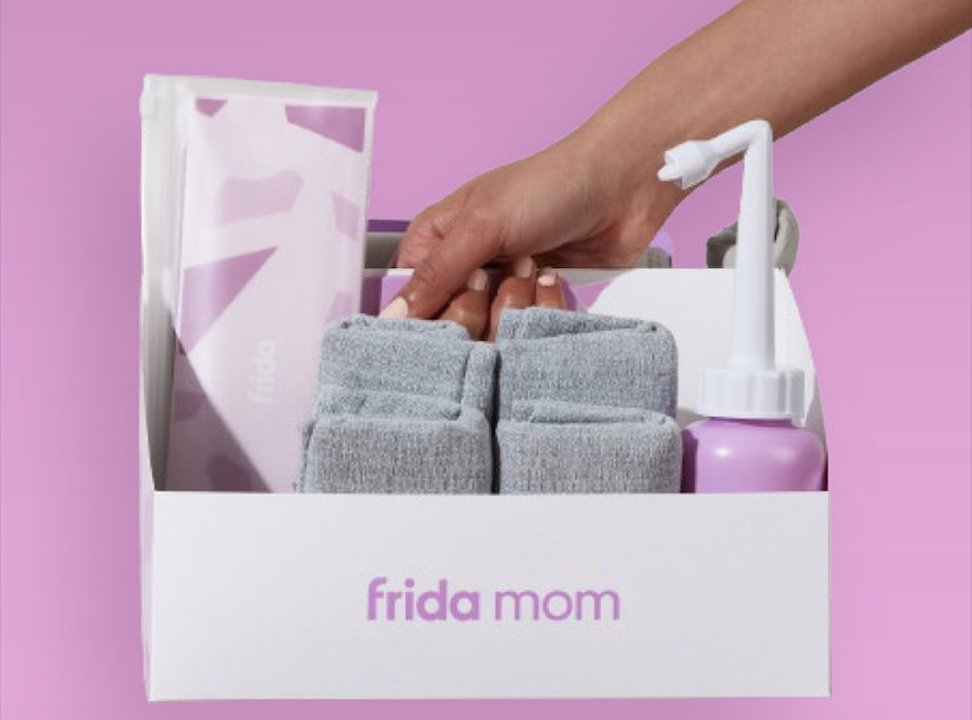
A brand’s reputation depends not only on the quality of its products but also on how it communicates with consumers. One brand that faced an ethical challenge is Frida Mom, a company that creates products designed to support women during pregnancy, childbirth, and postpartum recovery. The company gained national attention in 2020 when its commercial, “The Fourth Trimester,” was rejected from airing during the Academy Awards. The ad showed the realities of postpartum recovery, including a new mother using the bathroom after giving birth. Although the commercial was considered too graphic for television, many consumers argued that it simply portrayed the real experiences of new mothers.
The controversy had a significant impact on consumer perceptions of Frida Mom. Instead of damaging the brand, the rejected commercial generated widespread support on social media. Many women praised the company for bringing attention to an aspect of motherhood that is often ignored in traditional advertising. The situation helped position Frida Mom as a brand that values honesty, transparency, and women’s health rather than presenting an unrealistic image of motherhood.
The ethical issue centered on how postpartum recovery is portrayed in advertising. Frida Mom believed that educating parents about childbirth recovery was important, while television networks argued that the content violated advertising standards. This created a broader conversation about whether women’s health should be treated differently than other medical topics shown in advertisements. Although the company did not face legal action, the controversy highlighted the challenges brands can encounter when trying to educate consumers about sensitive health issues.
Overall, the outcome benefited Frida Mom by increasing brand awareness and strengthening customer engagement. Many consumers viewed the company as authentic because it addressed real parenting experiences that other brands often avoid. The viral attention also helped introduce Frida Mom to new customers who appreciated its honest messaging and commitment to supporting mothers.
Although Frida Mom handled the situation well, one recommendation would have been to prepare additional educational campaigns alongside the commercial. Working with healthcare professionals, hospitals, and maternal health organizations could have reinforced the message that postpartum recovery is a normal part of childbirth and deserves open discussion. The company could also continue partnering with medical experts and parenting advocates to provide reliable educational resources for expecting parents.
Frida Mom demonstrates how ethical marketing can strengthen a brand when it remains authentic and focused on consumer needs. By challenging traditional advertising norms and promoting honest conversations about postpartum recovery, the company built stronger relationships with its audience and increased brand loyalty. This case shows that addressing sensitive topics responsibly can help brands stand out while creating meaningful connections with consumers.
Leave a Reply