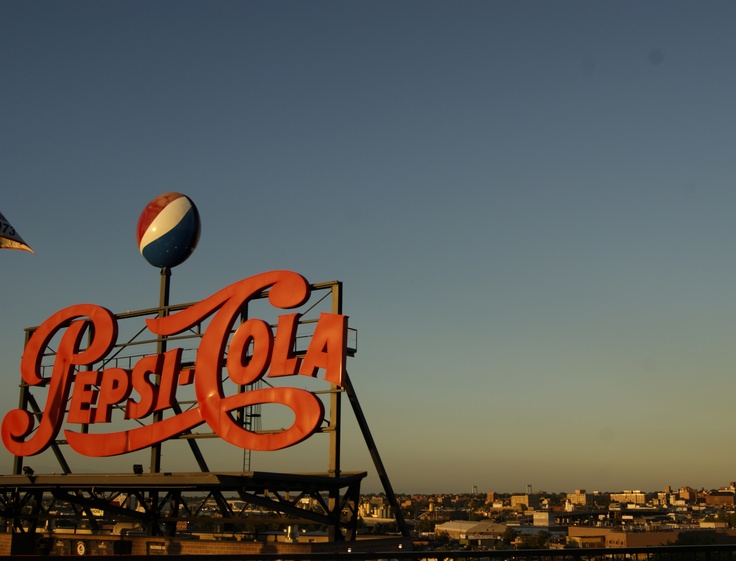
PepsiCo Sparkling Energy Water:
Preliminary Findings and Limitations
By Alexis Maldonado
Marketing Portfolio · Course Project
Published Spring Term
Throughout my research, I have found that my proposed sparkling energy water could support PepsiCo’s objectives by responding to changing consumer preferences. My product would combine sparkling water, caffeine, and electrolytes while containing little to no sugar. This gives PepsiCo another way to reach consumers who want energy and hydration but may not want a traditional energy drink. My research has also helped me identify younger adults, college students, working professionals, and active consumers as potential target customers.
One of the biggest industry trends I identified is the growing interest in functional beverages. Consumers are looking for drinks that provide additional benefits such as energy, hydration, and lower amounts of sugar. This trend creates an opportunity for PepsiCo because the sparkling energy water would offer several of these benefits in one product. Another trend is the continued growth of digital and social media marketing. This would influence how PepsiCo promotes the product, especially when trying to reach younger consumers. Social media platforms such as Instagram and TikTok could be used for short videos, influencer partnerships, and other content that introduces the product to consumers. From my own experience creating Instagram posts and Reels at work, I have seen how important it is to create content that quickly catches the audience’s attention.
In 2025, 68% of PepsiCo’s beverage portfolio volume contained 100 calories or less from added sugars per 12 ounce serving, exceeding the company’s goal of 67%.
Legal and Ethical Considerations
My proposed marketing strategy would also need to follow legal, ethical, and industry standards. Because the beverage contains caffeine, PepsiCo would need to clearly communicate the ingredients and nutrition information to consumers. Advertising should accurately represent the benefits of the product without making misleading claims about energy, hydration, or health. Digital promotions would also need to respect consumer privacy when collecting information through surveys or targeted advertising. Following these standards would help PepsiCo build trust with consumers while reducing potential legal or ethical concerns.
Key Finding
Limitations of My Research
There are also limitations to my market research. One of the biggest limitations is that the sparkling energy water is a hypothetical product, so there is no actual sales history or customer feedback available. Much of my research has relied on information about the overall beverage industry, competitors, and current consumer trends. While this information is useful, it cannot completely predict how consumers would respond to this specific product.
Addressing Research Gaps
Primary research could help address some of these limitations. Surveys could measure purchase interest, preferred flavors, desired features, and acceptable prices. Focus groups and product testing could provide more detailed feedback about taste, packaging, and the overall product concept. Observation could also help determine whether consumers actually purchase the types of beverages they say they prefer. Overall, my research suggests there is an opportunity for PepsiCo to explore a sparkling energy water, but additional primary research would be important before making decisions about a larger product launch.
References & Further Reading
Thank you for taking the time to review my Strategic Brand Analysis portfolio.
Leave a Reply